
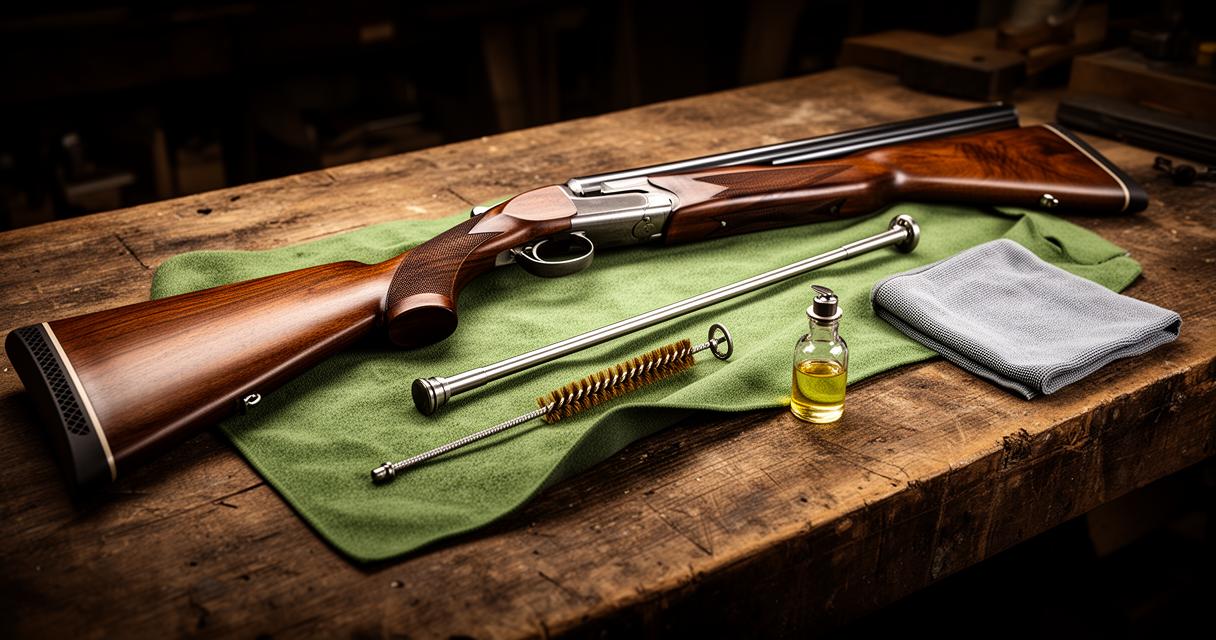
Every dedicated hunter understands that the true craft extends far beyond the thrill of the pursuit itself. Maintaining your hunting weapons with meticulous care ensures not only their reliable performance in the field but also safeguards your investment for years to come. Proper firearm maintenance, particularly through strategic lubrication and corrosion prevention, forms the cornerstone of responsible weapon ownership. This comprehensive approach to rifle maintenance transforms a functional tool into a dependable companion that performs flawlessly when it matters most.
Essential cleaning techniques for your hunting firearms
The foundation of effective firearm care begins with thorough cleaning procedures that address the unique challenges faced by hunting weapons. After each outing, your rifle or shotgun accumulates fouling, residue, and environmental debris that can compromise both accuracy and mechanical reliability. Understanding how to systematically remove these contaminants ensures your weapon remains in peak condition season after season.
Thorough post-hunt cleaning: removing fouling and debris
The moment you return from the field, your cleaning regimen should begin with a careful inspection of your firearm. Wiping down the exterior surfaces removes moisture, dust, and organic matter that may have accumulated during your hunt. This initial step prevents corrosion from taking hold before you perform more detailed maintenance. The bore cleaning process demands particular attention, as carbon deposits and copper fouling from ammunition can gradually diminish accuracy and increase wear on the rifling. Using a cleaning rod fitted with appropriate bore brushes, you should work from the chamber end whenever possible to avoid damaging the crown of the barrel. Pushing patches soaked in cleaning solvent through the bore loosens stubborn deposits, while subsequent dry patches remove dissolved residue. This methodical approach ensures that no contaminants remain to attract moisture or accelerate deterioration. Members of facilities such as the Phoenix Rifle Club in South Wales benefit from dedicated cleaning benches and tools that make this process more efficient and comfortable, demonstrating how proper infrastructure supports maintenance best practises.
Selecting the Right Cleaning Products for Rifles and Shotguns
Not all cleaning supplies deliver equal results, and choosing quality products specifically formulated for firearms makes a substantial difference in maintenance outcomes. Basic cleaning supplies should include a sturdy cleaning rod that won't flex or bend during use, bore brushes matched to your specific calibre considerations, lint-free patches, and firearm-specific solvents that break down powder residue without damaging metal surfaces. The cleaning solvent you select should effectively dissolve carbon and copper fouling whilst being gentle on steel and alloy components. Modern formulations often include rust inhibitors that provide temporary protection during the cleaning process itself. Avoiding household substitutes or inappropriate chemicals prevents inadvertent damage to your weapon's finish and internal components. Many experienced hunters invest in comprehensive maintenance kits that contain everything needed for routine upkeep, ensuring they always have the correct tools at hand. The availability of specialised cleaning facilities at venues like the Phoenix Rifle Club, which features a two-hundred-metre indoor tunnel rifle range, allows shooters to maintain their weapons in controlled environments where proper ventilation and tool access enhance the cleaning experience.
The Art of Proper Lubrication: Protecting Metal Components from Corrosion
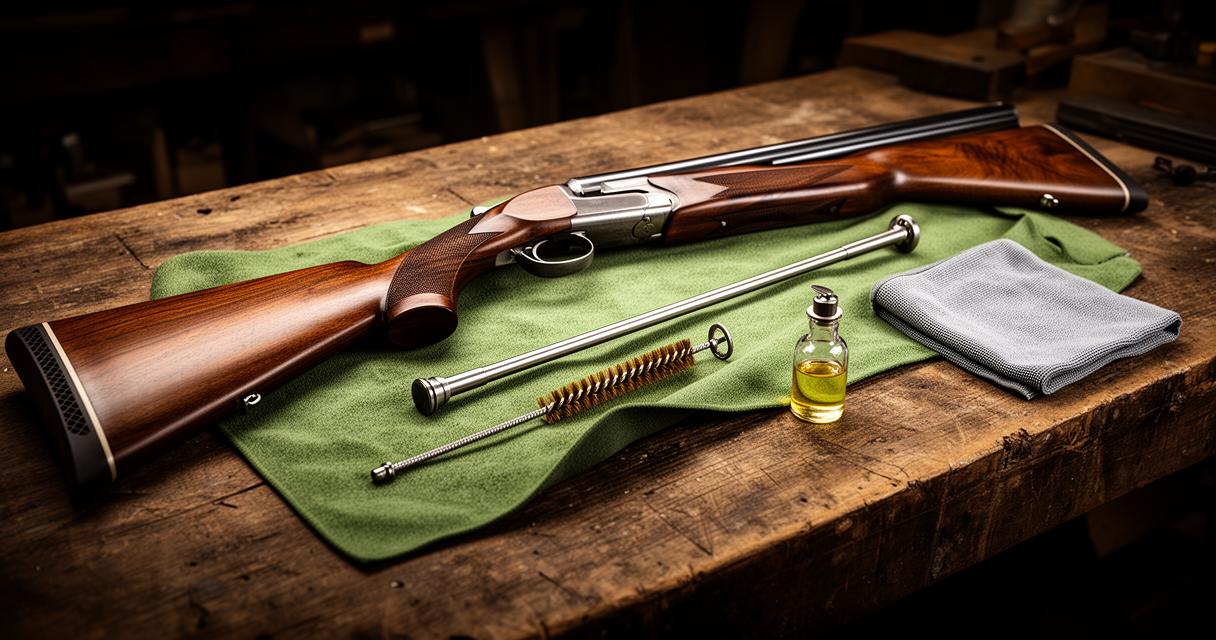
Once your firearm has been thoroughly cleaned, the critical step of firearm lubrication begins. This process involves more than simply applying oil to visible surfaces. Strategic lubrication creates a protective barrier against moisture whilst ensuring all moving parts operate smoothly and reliably. Understanding where and how to apply lubricants separates adequate maintenance from truly professional care that extends firearm longevity.
Choosing Quality Oils and Lubricants for Firearm Maintenance
The market offers numerous options for firearm lubricants, ranging from traditional gun oils to modern synthetic formulations with enhanced protective properties. Quality lubricants designed specifically for weapons provide superior corrosion prevention whilst withstanding the temperatures and pressures generated during firing. These specialised products typically contain additives that displace moisture, neutralise acidic residues, and create durable films on metal surfaces. When selecting lubricants, consider the environmental conditions your hunting equipment will face. Firearms used in damp climates or near coastal areas benefit from products with enhanced rust-inhibiting properties, whilst those used in extremely cold conditions require lubricants that remain fluid at low temperatures. Investing in premium maintenance tools and products demonstrates a commitment to firearm safety and performance that pays dividends through reduced wear and enhanced reliability. The Phoenix Rifle Club provides members with access to recommended products and expertise, helping shooters make informed choices about their maintenance supplies.
Systematic Application: Where and How to Lubricate Your Weapon
Proper moving parts lubrication requires a methodical approach that addresses every contact point without excess application. Beginning with bolt-action rifles, a light coating of oil on the bolt body, locking lugs, and camming surfaces ensures smooth cycling and reduces friction-induced wear. Semi-automatic rifles demand particular attention to the gas system, operating rod, and bolt carrier group, where lubrication maintains reliable cycling even under adverse conditions. The key principle involves applying lubricant sparingly to avoid attracting dust and debris that can create abrasive compounds. A thin film of quality oil provides adequate protection without the complications that excess oil introduces. After applying lubricant, cycling the action several times distributes the oil evenly across contact surfaces and reveals any areas requiring additional attention. Inspecting for wear during this process allows you to identify components that may need professional evaluation or replacement. Common maintenance mistakes include over-lubrication, which attracts contaminants, and neglecting hard-to-reach areas where moisture can accumulate unnoticed. By establishing a systematic routine that addresses every component, you ensure comprehensive protection and optimal mechanical reliability.
Storage and long-term care: preserving your investment
Even the most thorough cleaning and lubrication prove insufficient if your firearms are stored improperly between hunting seasons. Creating an ideal storage environment protects against environmental threats whilst ensuring your weapons remain secure and ready for use. Long-term care extends beyond metal components to include wood furniture and other materials that demand specific preservation techniques.
Creating the Ideal Storage Environment: Humidity Control and Security
The primary enemy of stored firearms remains moisture, which promotes rust and corrosion even on well-maintained weapons. Proper storage techniques begin with selecting a location that maintains stable humidity levels throughout the year. Dedicated gun safes with built-in dehumidifiers or desiccant units provide excellent protection by controlling the internal atmosphere. When storing rifles for extended periods, positioning them barrel-down in racks allows any residual cleaning solvents or oils to drain away from the action rather than pooling in sensitive areas. Security considerations go hand-in-hand with preservation, as proper safes protect not only against theft but also maintain the controlled environment essential for corrosion prevention. Some hunters apply a heavier coating of preservative oil to metal surfaces before long-term storage, creating an additional barrier against atmospheric moisture. Periodically inspecting stored firearms allows you to address any emerging issues before they develop into serious problems. The discipline of routine maintenance extends firearm lifespan substantially whilst protecting the significant investment represented by quality hunting weapons.
Maintaining Timber Stocks and Furniture: Prevention and Treatment
Whilst metal components receive the majority of attention in maintenance discussions, wooden stocks and furniture require their own specialised care regimen. Wood naturally absorbs and releases moisture in response to environmental conditions, leading to dimensional changes that can affect fit and potentially crack if changes occur too rapidly. Treating timber components with appropriate oils or waxes nourishes the wood fibres whilst creating a protective barrier against moisture intrusion. Products specifically formulated for gunstocks penetrate deeply without leaving sticky residues that attract dust. Inspecting wood for cracks, scratches, or worn finish allows you to address damage before it compromises structural integrity. Minor scratches can often be treated with careful application of finishing oils that blend with the existing finish, whilst deeper damage may require professional refinishing. The stocks and furniture of well-maintained firearms develop a rich patina over time that reflects both their history and the care invested in their preservation. This attention to every component, from the smallest screw to the largest stock panel, exemplifies the comprehensive approach that defines proper weapon maintenance. By following the manufacturer's instructions for maintenance and combining them with established best practises developed by experienced hunters and shooters, you guarantee both the precision and operational safety of your firearm for decades of reliable service.
Comments are closed